Read Time: 7 minutes
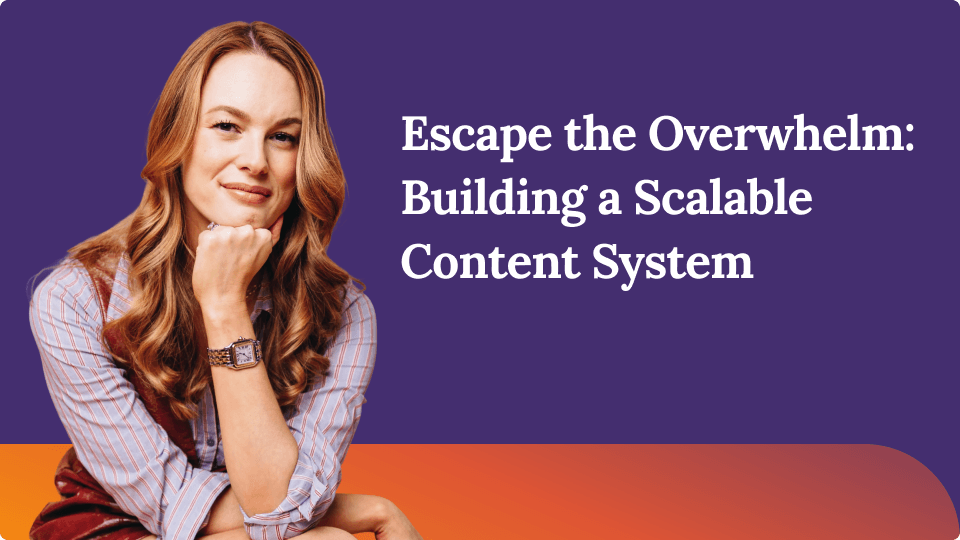
Escape the Overwhelm: Building a Scalable Content System
This week, as an exclusive deep dive for Start Small, Brand Big newsletter members, I’m doing my most comprehensive breakdown ever of how my team and I plan an entire year’s worth of content on LinkedIn.
This approach has revolutionized my business. In just 2 years, I’ve:
Grown my LinkedIn following substantially
Sold out my new programs
Never miss a post
Consistently hit or supersede my monthly revenue goals
The best part?
I never wonder where my next client is coming from or what I’ll write on the platform that day. I never feel “marketing burnout” by doing a million things and seeing no substantial progress in doing so.
Unfortunately, very few professionals use this tactic when building their brand on LinkedIn.
They’re usually:
Posting on too many strategies
Lacking a content system that is reverse-engineered to sell their products
Suffering from big-time writer’s block in content creation after servicing clients all day long.
As a result, their own marketing gets pushed to the back burner, and referrals become the predominant way they grow their business. This is not a bad thing, but it is also not a proven recipe for scaling your business and creating more freedom and creative energy for your personal brand.
However, there is a way to map this out so you can reliably count on LinkedIn to generate leads for your business, and you’re in control of - and dare I say - ahead of your marketing.
It’s a peace of mind and confidence that has boosted my assurance as an entrepreneur. I no longer think, “What the heck do I have to show for all my time and energy?!”
So, if you’re feeling that way, fill up your coffee cup or wine glass, shut down your other tabs, take out a notebook if you want, and let’s get your content and business in shape.
1. Part One: Map out your programs and pushes for the year
One of the simplest reasons I struggled to build my own business is because I didn’t have concrete and set programs and products I was pushing. I was just “open-ended” consulting, molding my solutions to any client that walked through the door. Instead of saying, “Here are the core things I solve for and the 3 signature programs I solve them with,” I was more like, “Let’s hop on a call; you download your life story and problems to me, and I’ll write a proposal that I think makes the best sense.”
Listen, there is nothing wrong with providing custom solutions and consulting. Nothing at all. Just know that if that’s what you’re doing, you will experience:
Longer sales cycles
“Lumpy” revenue cycles (big contract here - fulfillment time - a few months later - big contract there - etc.)
Weaker call-to-actions
So, the first thing my team and I identified was my three signature programs and which quarter I would push each.
This boiled down to:
Quarter One: A live coaching cohort
Quarter Two: My membership program
Quarter Three: A hybrid evergreen program with 1:1 coaching
Quarter Four: My membership program
Once I knew which “season” I was selling which program, I knew all content in that 90-day window should tease, educate, and convert to the appropriate program. Everything was reverse-engineered with those goals in mind.
Defining my signature programs allowed me to shorten my sales cycle and build a clear content system reverse-engineered from my products
2. Part Two: Identify Your Coordinating Call-To-Actions
A vague “Direct message me for help” creates too much open-endedness for both your audience members and you. Instead, you must understand which “feeders” or “call-to-actions” lead to which program.
For all of my programs, the main feeder is for my LinkedIn audience to sign up for my weekly email list because my email list sells the best. So that was a call to action.
A big “feeder” for my coaching programs is LinkedIn Live masterclasses, where I teach and then offer people the chance to register for my programs. So, during Q1 and Q2, I push those, and from those, I push my programs.
For my membership programs, I usually invite people to an “open house” and then allow them to register. So, that is my third “feeder” or call to action.
Identifying these lets me know how to “wrap up” every piece of LinkedIn content and use it as a launchpad to turn eyeballs into subscribers and then into clients.
3. Part Three: Pick your long-form content
So now we know our products and programs and how to funnel interest to them. Now, we need to work on creating a bunch of content to generate awareness that we can convert into interest. That means in any given quarter, I’m creating about 60 content pieces (~12 weeks in a quarter, 5 posts a week).
That’s a heck of a lot of content. Except it’s not. For me, that means generating 12 long-form articles, which serve as the basis for the rest of the content. (Hint: you are reading one of them right now.)
So, I then choose 12 article topics for the quarter that align with the problems my designated quarterly program solves, and then I close out the article with the respective call to action. See how this is getting simpler?
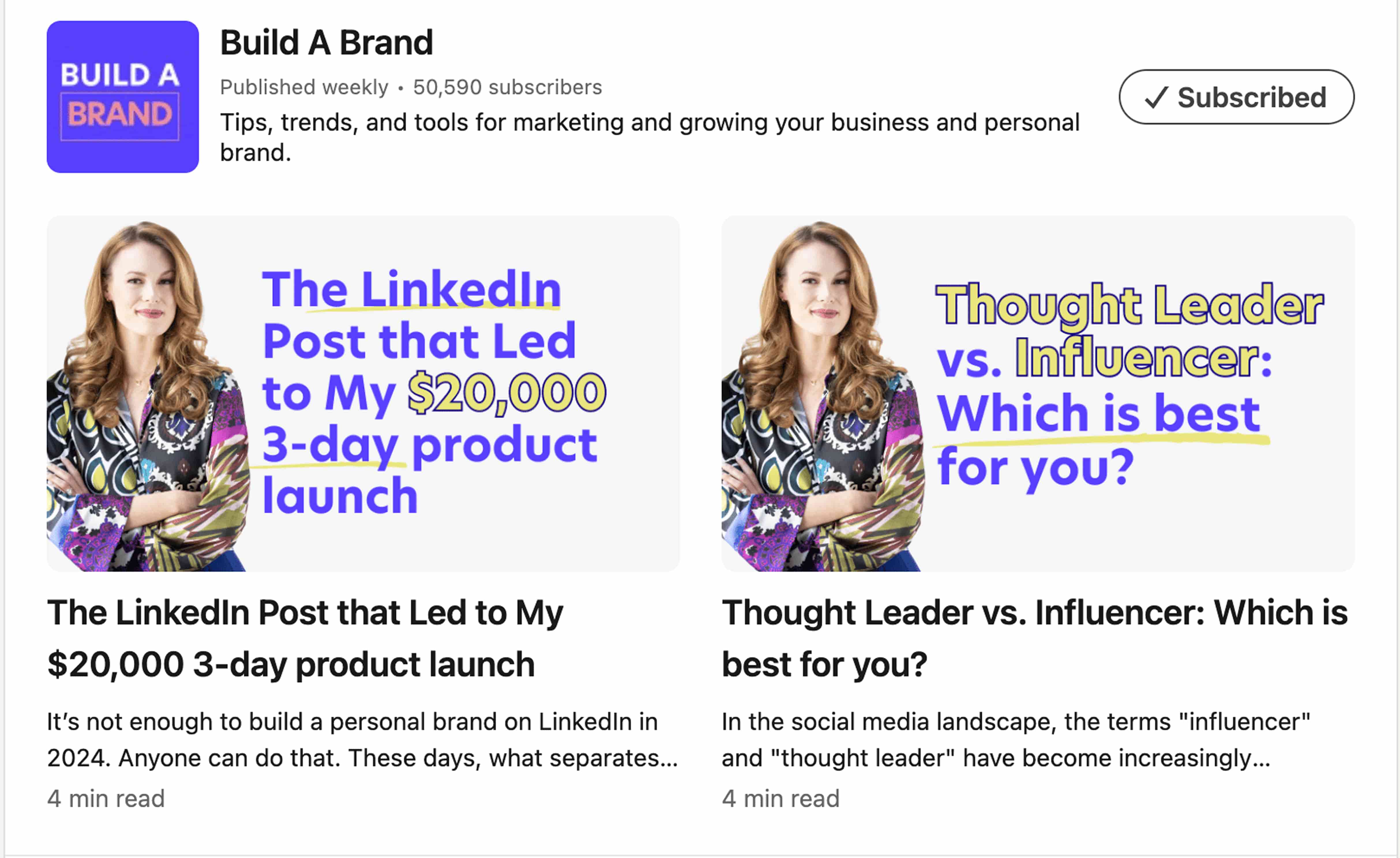
Having a newsletter in place lets me create a ton of content in one sitting. Ultimately, everything is on-brand and pointing toward my packages and programs.
4. Part Four: Know how to break it up
Once I have my 12 articles mapped out, I know that I can “break apart” each article and turn it into about 5 subsequent smaller posts (a mixture of videos, LinkedIn stories, guides, etc.). And want to know the best part of that? Everything published leads to the call to action, which leads to my program. Okay, now we’re cookin’ with gas!
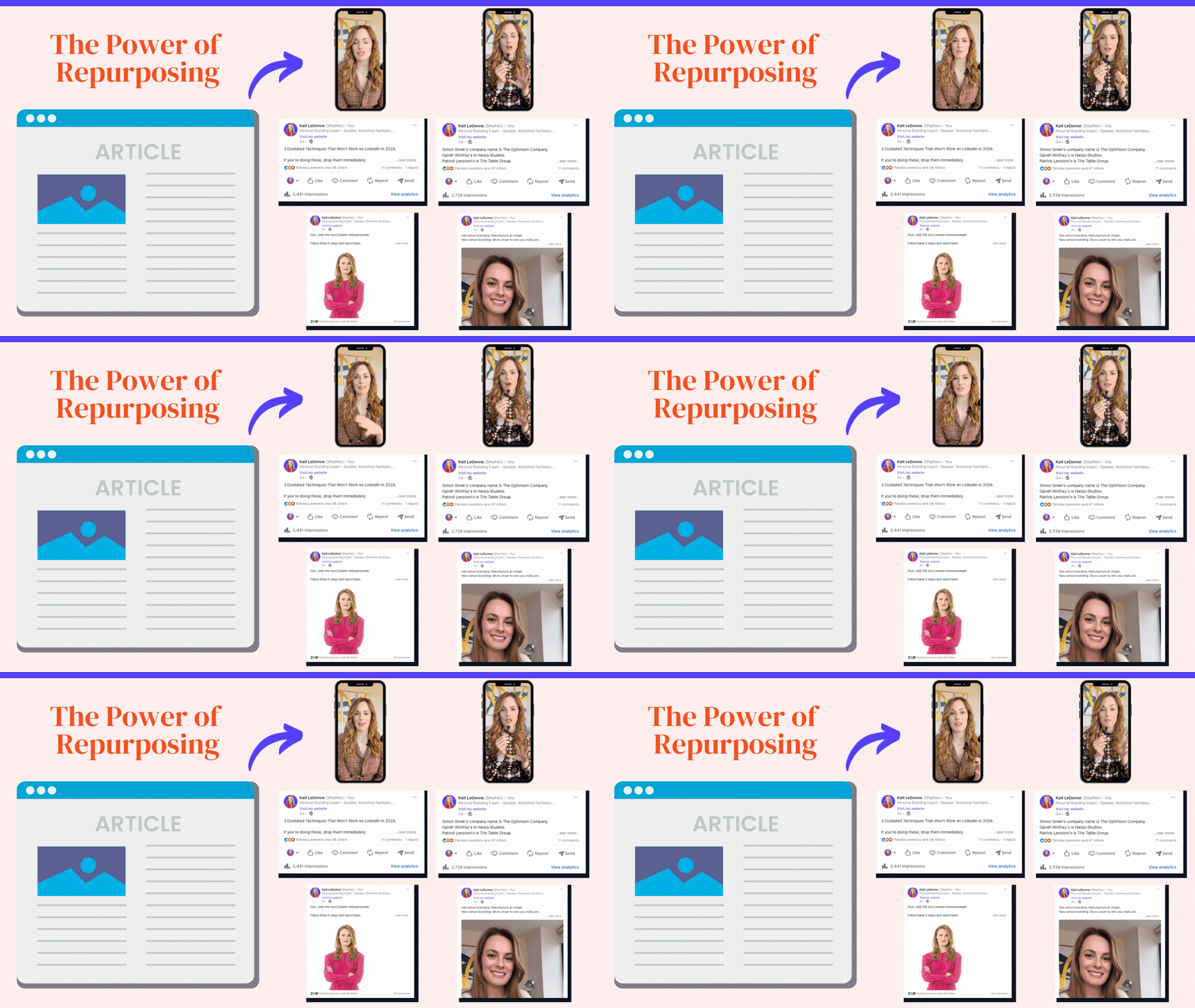
5. Part Five: Agilely Refine
Now, it’s important to know I don’t create a quarter’s content in one sitting. Doing so would be foolish. Algorithm changes happen, audience reactions change, and sometimes things just “pop” over others. Because of this, once I have my quarterly topics down, I execute them in 2-week chunks. These 2-week sprints reveal which content patterns are resonating and how to adjust in real-time while still staying ahead of my content. Some weeks, video really hits and I lean into it. Other weeks, guides and one-pagers pop. The key here is to remain flexible enough to respond to the trends. You want to get to the point where you are structured but not overly rigid.
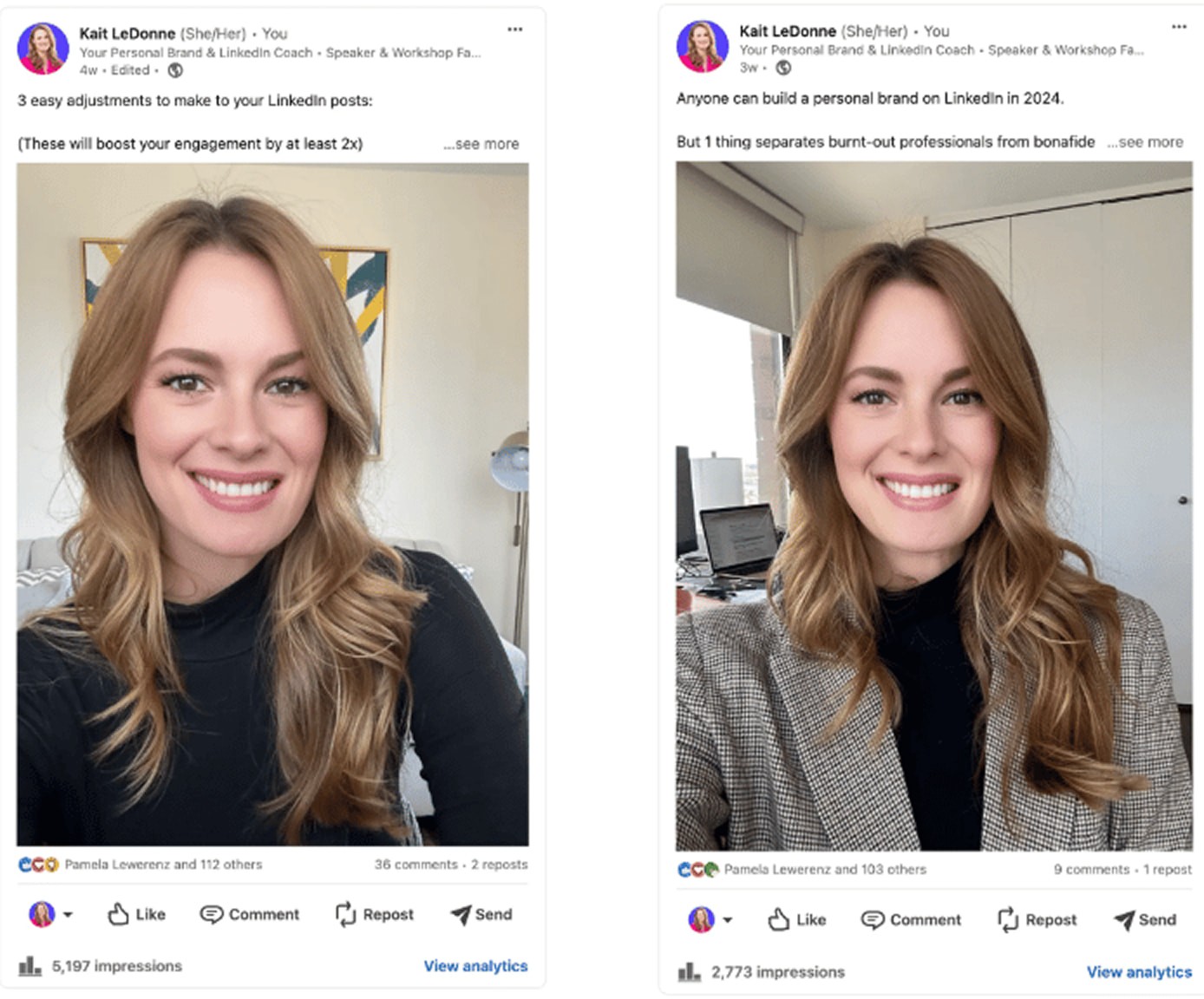
I noticed using digits in my opening lines worked, so I kept repeating this.
The Recap
Planning a year’s worth of content isn’t simply about “getting ahead of the game.” It’s about designing a system that will action your personal brand strategy and ultimately scale your expertise for top dollar. To do this:
Map out your programs and pushes for the year
Define your “feeders” and “call-to-actions” for each one
Pick your long-form content to fuel your content
Chunk out long-form content into smaller bite-sized pieces
Agilely refine to respond to trends
Ready to plan your content with confidence? Download this FREE gift: 🎁 90-Day Content Calendar Template