Read Time: 7 minutes
How to Secure Your First 1,000 Book Sales on LinkedIn (a Step-by-Step Guide for Authors)
“Hey ladies, you’re going on The Today Show with Maria Shriver to talk about your book and business.”
My clients, Gina Dubbe, Leslie Apgar, and I stared at each other, mouths agape. ”I’m sorry, say that one more time. Did you say ‘The Today Show? Maria Shriver?’” I asked.
“Yep, our publicist said, plan to be in New York next week!”
Flash forward 8 days, my authors were on TV, and the book and business website nearly crashed from the traffic flooding it, inquiring how the hell two suburban moms found themselves selling medical marijuana.”
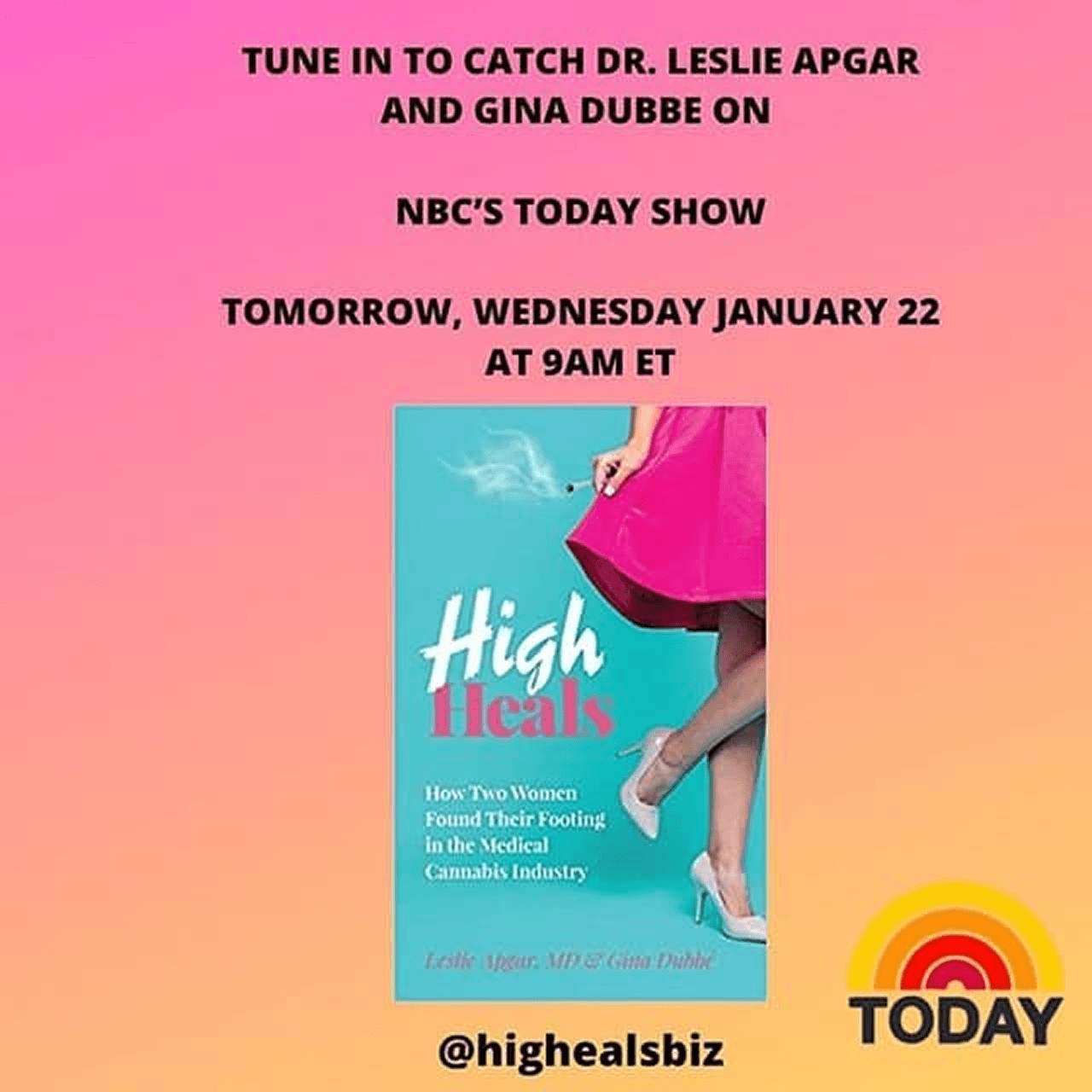
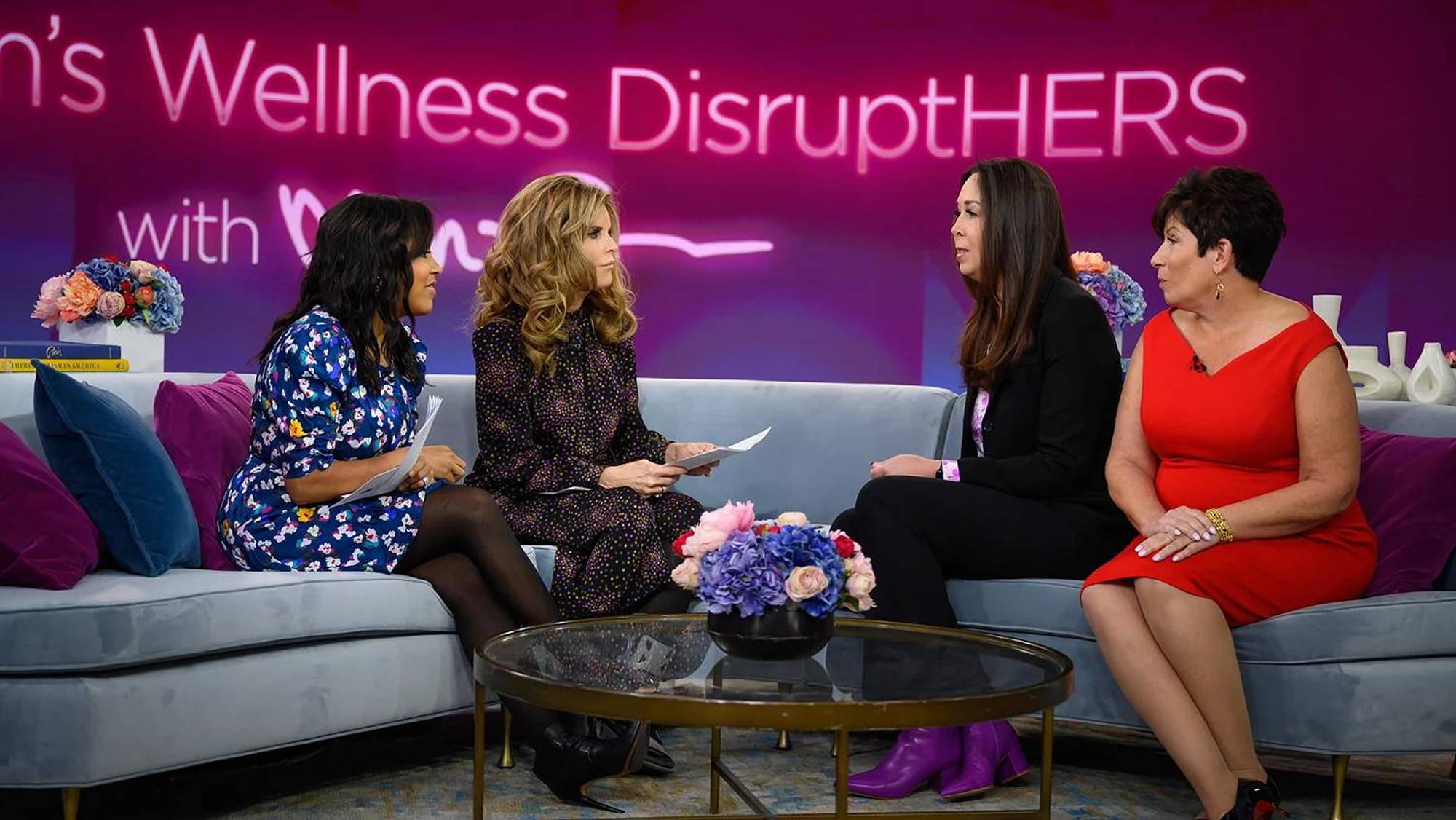
It’s one of my favorite stories, and one I get asked about often. “How did you take to unknown entities in a new industry and put their book and their brands on the main stage?” (Literally, they often keynoted at conferences after that)
I smiled, sure, their story read like the Showtime hit “Weeds,” of a mom turned “pot-pusher,” and it was pretty hard not to pay attention to, but there was a “machine” powering this media moment and book launch that many didn’t know about — LinkedIn.
In fact, in large part because of that case study, I then ran a business author-launch agency that looked, on paper, like every other boutique marketing shop—until people saw our numbers. While competitors hustled for podcast swaps and crowded Facebook groups, my clients quietly racked up four-digit sales and bulk-order speaking leads from one place: LinkedIn. I called it my “secret launch lever.” It still is—mostly because hardly anyone pulls it, even though it’s an obvious and overlooked play for new authors.
Why is this? Well, LinkedIn feels boring next to “BookTok” and Insta reels. Yet the data says otherwise:
Only about 1 % of LinkedIn’s 250 million active users share content each week—meaning the feed is wide-open for voices that actually post.
Nearly half of C-suite leaders spend an hour or more every week reading thought leadership on the platform.
LinkedIn newsletters routinely hit 40 %+ open rates, double typical email performance, and the platform just added native “email open-rate” tracking so you can watch every bump in real time.
In other words, LinkedIn is criminally underrated: low competition, high-intent eyeballs that are willing to read long-form, and analytics built for authors.
Proof: Sahil Bloom & Gabriela Casineanu
When Sahil Bloom warmed up his audience for The 5 Types of Wealth, he logged ~20,000 pre-orders before launch week—largely by dripping chapter frameworks and collecting receipts on LinkedIn comments.
Indie author Gabriela Casineanu, working with $119 in ad spend, drove 2,700+ downloads in 36 hours and topped Amazon charts in seven countries after a LinkedIn-first launch that mixed polls, DMs, and a free-download sprint.
Those two names live at opposite ends of the platform (eight-figure following vs. solo creator with ~5k followers), proving the playbook scales.
Why 1,000 Matters
Most books— whether traditionally published or self-pubbed—sell fewer than 1,000 copies in their entire lifetime. Blow past that number and you jump out of the statistical basement into the small slice of titles that agents, publishers, and conference planners take seriously.
Below is the four-phase funnel you can “rip and stick” to break the 1 K barrier on LinkedIn.
1. Profile Priming
Your profile is the landing page every algorithmic breadcrumb leads to. Here are the boxes you need to check.
Add “Author of TITLE” plus the transformation promise (“Helping STEM managers become people leaders”) to your headline.
Swap your banner for a clean book cover + preorder URL graphic.
Pin a Featured card: “Grab Chapter 1 + Launch Bonuses.”
Result: Every profile view becomes a sales page visit before you’ve written a single promo post.
Additional step: Add “author” as an actual position to your experience section, and make sure that “notify my network” is turned on, then make a post. This makes it look like you got a new position, which LinkedIn LOVES to push out to others, and they love to comment on. When they comment, DM them and thank them and ask if they’d be willing to get a free copy of the book in exchange for a review on Amazon. If they are agreeable, consider asking them to also promo it to their audience. Have promotional assets ready to go for them. The lower the lift you make the share, the more willing they are to play ball.
2. Serial Content Engine
Sharing about your book is NOT an activity that should be reserved after publication. You need to think about it as “crowd-sourcing” excitement. This means that you are asking for opinions on the title of your book via poll, sharing options for cover design, and asking people to vote, sharing when you hit significant milestones like “first edits done!” The goal here is to get people enrolled in supporting you and your book before it’s even published. It will pay dividends post-pub date.
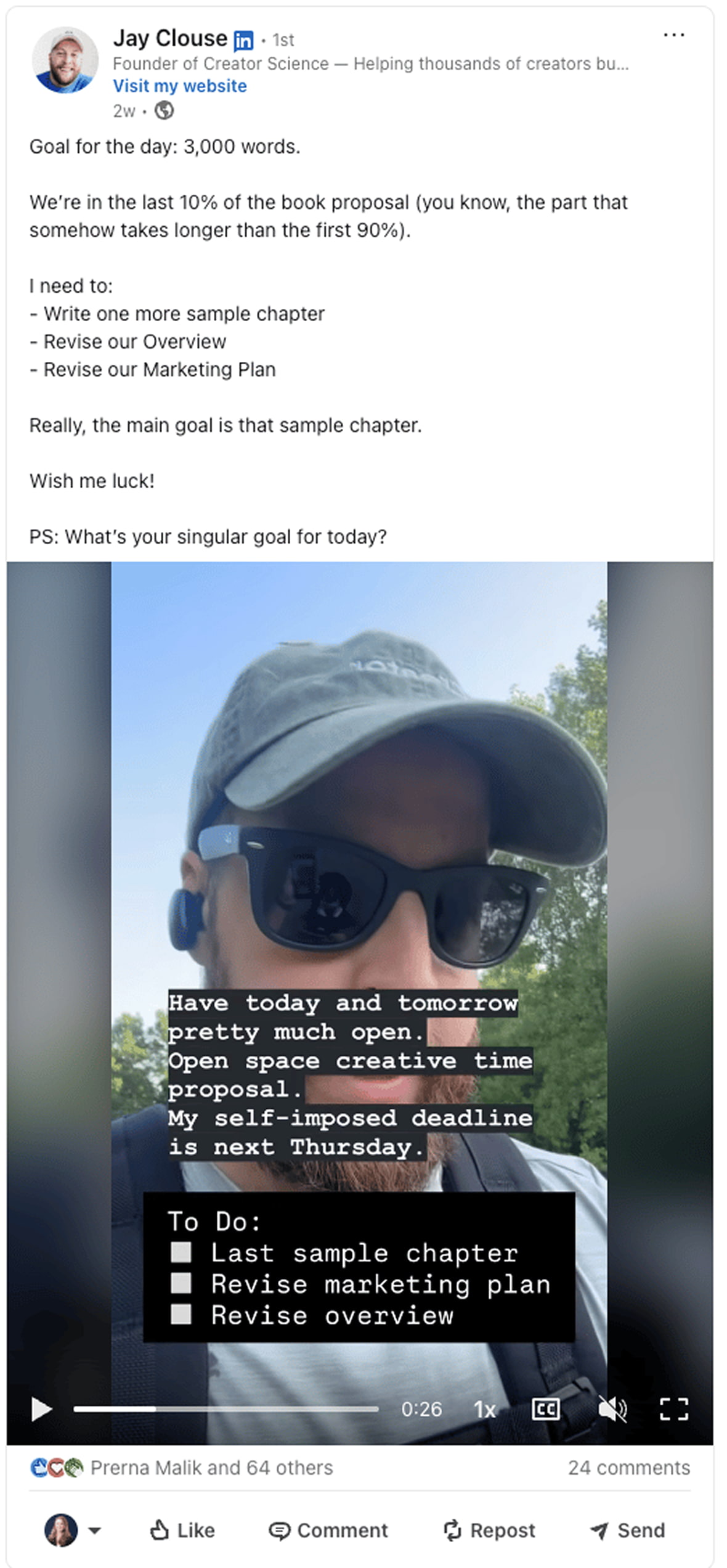
Creator Jay Clouse understands the value of “building out loud” as he posts about his book journey, starting at (get this!) proposal updates. Bravo.
Four weeks out from pub date, drip a micro-series—three to five posts that unwrap pain-stat → story nugget → framework excerpt. Think carousel slide sets or text-only storytelling threads. Some example hooks (steal and edit these to fit your subject):
“Leaders burn 2 hours/day in meetings that should’ve been emails. Slide 3 shows the fix.”
“I asked 437 managers one question about failure—71 % answered wrong. Here’s why that matters to your promotion.”
End every post with: “📖 Pre-order link in comments.” Early engagement tells LinkedIn to keep serving you to the right people—remember, fewer than 1 % are posting.
3. Micro-DM Campaign
While content flies publicly, you’re privately hand-crafting first-day buyers. Think about your first degree connections who fit a “perfect reader profile” as book partners in waiting. Twenty tailored messages a day is plenty:
DM opener template: “Hey {Name}, your post on hybrid-team friction hit home. I just distilled that pain (and the fix) into Chapter 2 of my upcoming book—can I gift you the draft PDF?”
Line 1 shows you actually read their stuff; line 2 gives immediate value; line 3 (implicit) sets up the preorder ask or Live invite to follow. Even a 10 % reply rate fills a launch list fast.
Bonus: These then become great leads to bring you into their corporation or organization for a workshop + bulk buy. A huge win for authors.
4. Launch-Week Live
Cap it with a 30-minute LinkedIn Live “launch party.” Run a tight arc: origin story → three tactical takeaways → live Q&A → signed-copy giveaway. Screen-share your Amazon rank climb mid-stream; social proof in real time triggers FOMO sales you couldn’t DM one-by-one.
Because LinkedIn notifies event registrants, you get push + inbox + feed coverage in one move.
Two Reasons This Funnel Works So Fast
Asymmetric visibility. One thoughtful serial post can live in feeds for days because so few people publish regularly. You’re the lone voice in a quiet room.
Intent-rich audience. Decision-makers come to LinkedIn for elevation, not entertainment. Offer a solution and they’ll pay—in single copies or corporate bulk orders.
Your To Do’s…
Refresh your headline and banner.
Draft Post #1 of your micro-series and schedule it.
Pull 100 first reader leads and send the DM opener.
Announce your launch-week live and invite ideal readers to it when the time is right
Do that, and you’re on pace to crush the sad-stat lifetime average before you ever crack open the champagne.
Looking to set all of this up in a done-with-you VIP workshop? For select authors, I have 2 openings a month. Just fill out this quick form, and I’ll reach out to you to discuss more.